Islam
Service as Legacy: Reflections on Kwame Nkrumah Memorial Day
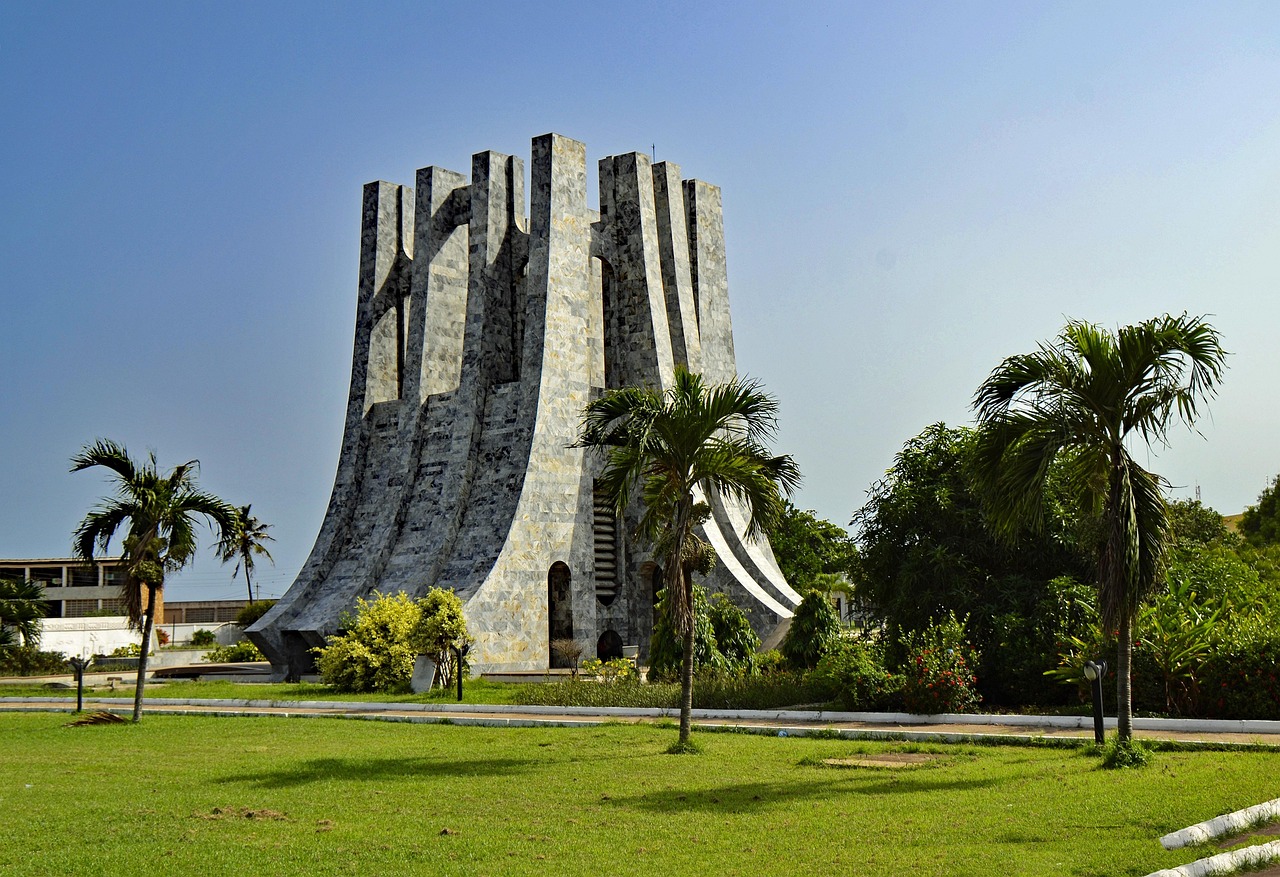
On 21st September 2025, Ghanaians mark the birthday of Osagyefo Dr. Kwame Nkrumah, Ghana’s first President and the man whose life embodied sacrifice for his country and the African continent. Though the official observance will take place tomorrow, today offers an opportunity for reflection—not only on Nkrumah’s towering legacy but also on the enduring principle that service is the truest measure of leadership.
Nkrumah’s Sacrifices for Ghana and Africa
A Nation Builder
Dr Kwame Nkrumah’s vision for Ghana was not merely political independence but economic self-reliance and dignity. Soon after leading Ghana to independence in 1957, he embarked on a massive nation-building agenda. He established the Tema Harbour to boost trade, spearheaded the construction of the Akosombo Dam, which electrified the nation, and launched state enterprises that sought to industrialise Ghana. Institutions such as the Kwame Nkrumah University of Science and Technology (KNUST), the Ghana Education Trust schools, and expanded teacher training colleges stand as enduring testaments to his commitment to education. To this day, many Ghanaians trace their access to education and infrastructure back to Nkrumah’s vision.
A Pan-African Visionary
Nkrumah believed that Ghana’s independence was incomplete without the liberation of the rest of Africa. He became one of the founding fathers of the Organisation of African Unity (OAU) in 1963, advocating for continental unity, shared defence, and collective progress. His famous declaration, “The independence of Ghana is meaningless unless it is linked up with the total liberation of the African continent,” was not just rhetoric but a guiding principle. Ghana, under his leadership, offered support, financial, material, and moral, to liberation movements across Southern Africa, cementing Nkrumah’s reputation as a champion of Pan-Africanism.
Sacrifices and Exile
True service always comes with a cost. Nkrumah endured imprisonment by the colonial government during the struggle for independence and later suffered the pain of exile after the 1966 coup that toppled his government. In Guinea, where he spent his final years, he was welcomed as co-president by Ahmed Sékou Touré, yet his heart never left Ghana. He died far from home, unable to walk once more among the people he had so dearly served. His life reminds us that true leadership often requires giving up personal comfort for the greater good.
A Legacy We Still Carry
Today, decades after his passing, we still boast of the monumental projects and institutions he established. Some have been mismanaged, others underutilised, but the vision that inspired them continues to challenge us. His sacrifices invite us to reflect: What will we leave behind for future generations?
The Islamic Principle of Service
In Islam, true leadership is not about privilege but about service. The Holy Prophet Muhammad (peace and blessings be upon him) declared:

سَيِّدُ الْقَوْمِ خَادِمُهُمْ
“Sayyid-ul-Qawm Khaadimuhum”
“The leader of a people is their servant.”
— Musnad Ahmad ibn Hanbal, Hadith 23408
This principle is the cornerstone of Islamic governance and community life. The Prophet (sa) himself mended his own clothes, carried water, and served the weakest of society. The Khulafā’ after him embodied the same spirit, living simply while serving their people with devotion and justice.
Ahmadiyyat and the Legacy of Service
The advent of the Promised Messiah and Mahdi, Hazrat Mirza Ghulam Ahmad (as), reaffirmed this principle for our age. He declared:
خلق الله کی تمام مخلوق سے ہمدردی ایک اخلاقی فریضہ ہے اور خدا کی مخلوق پر رحم کرنا ہر مسلمان کا فرض ہے۔
“Sympathy for all mankind is a moral obligation, and showing compassion for God’s creatures is the duty of every Muslim.”
— Malfuzat, Vol. 7, p. 189 (English ed.)
The Qur’an likewise reminds us:
مَثَلُ الَّذِينَ يُنفِقُونَ أَمْوَالَهُمْ فِي سَبِيلِ اللَّهِ كَمَثَلِ حَبَّةٍ أَنبَتَتْ سَبْعَ سَنَابِلَ فِي كُلِّ سُنبُلَةٍ مِّائَةُ حَبَّةٍ ۗ وَاللَّهُ يُضَاعِفُ لِمَن يَشَاءُ ۗ وَاللَّهُ وَاسِعٌ عَلِيمٌ
“The likeness of those who spend their wealth in the way of Allah is as the likeness of a grain which grows seven ears, in every ear a hundred grains. And Allah multiplies for whom He pleases; and Allah is Bountiful, All-knowing”
— Qur’an 2:262
From the outset, the Promised Messiah (as) taught that service to humanity is inseparable from faith. His Khulafā’ have continued this legacy, establishing schools, hospitals, and humanitarian institutions that uplift not only Jama’at members but entire societies.
Our current Khalifa, Hazrat Mirza Masroor Ahmad (aba), has consistently reminded Khuddam worldwide that love for one’s nation is a sacred duty:
“You should always remember that loyalty to your nation and love for your country are part of your faith.”
— Friday Sermon, 11 June 2004, London
Thus, in Ahmadiyyat, service to Jama’at and service to the nation flow from the same spring: devotion to Allah and compassion for His creation.
The Ideal Khadim: Living Beyond Self
For us as Khuddam-ul-Ahmadiyya, Nkrumah’s sacrifices serve as a mirror. The ideal Khadim is one who not only serves the Jama’at but also contributes to his society and country with sincerity. Service is not confined to political leadership; it is present in daily acts of sacrifice, volunteering time, mentoring youth, protecting the environment, and supporting the vulnerable.
The Prophet (sa) said:
أَحَبُّ النَّاسِ إِلَى اللَّهِ أَنفَعُهُمْ لِلنَّاسِ
“The most beloved of people to Allah are those who are most beneficial to others.”
— al-Mu‘jam al-Awsaṭ by al-Tabarani, Hadith 5787
This is the call for every Khadim: to be beneficial, to live beyond self, and to plant seeds of goodness that will outlive them.
Service as the True Legacy
Kwame Nkrumah is remembered not for what he amassed but for what he gave. His life reminds us that service is the surest path to immortality. Similarly, the Prophets, the Promised Messiah (as), and the Khulafā’ are remembered because they lived lives of selfless sacrifice.
As Khuddam, our task is to emulate this principle. When generations to come look back, may they not only know our names but see the institutions we built, the lives we uplifted, and the sacrifices we made for faith, nation, and humanity.
Conclusion
On this Kwame Nkrumah Memorial Day, we remember a leader whose sacrifices continue to inspire generations. His vision for Ghana and Africa reminds us that true greatness is measured not by what we gain, but by what we give.
In the words of the Holy Qur’an:
وَأَحْسِنُوا ۛ إِنَّ اللَّهَ يُحِبُّ الْمُحْسِنِينَ
“And do good; surely, Allah loves those who do good.” (Surah Al-Baqarah 2:196)
May we, as Ghanaians, as Muslims, and as Khuddam, embody this spirit of service—so that, like Nkrumah and like the noble servants of Islam before us, we too may be remembered for our sacrifices in the cause of humanity.
Kwame Nkrumah Memorial Day challenges us to reflect on what it means to leave a legacy. It reminds us that true greatness is measured in service. A life lived for self dies with self, but a life lived for others endures forever.
May Allah enable us to live by the principle of Sayyidul Qawm Khaadimuhum, to embody the compassion of the Promised Messiah (as), and to follow the guidance of Khilafat by serving our Jama’at and our nation with humility, sacrifice, and unwavering sincerity. Āmīn.



About author
By Maulvi Nasir Khalilurahman,
Missionary Jamaat Nigeria
You may also like


Leave a Reply



Scroll to Top